
Rebuild the Layout Without Relocating Your Family
Whole home remodeling for homeowners in Berea, Kentucky and surrounding areas who want updated floor plans, modern systems, and structural repairs.
When your home has good bones but the layout no longer works, the kitchen feels cut off from the rest of the house, and the electrical panel cannot handle what you plug in, moving feels like the only option. Homeowners in Berea, Winchester, Mt. Vernon or a surrounding area often face homes with small closets, narrow hallways, and outdated insulation that drive up heating costs. Todd Homes manages full-home renovations in Berea that open walls, reroute plumbing, upgrade electrical service, and rebuild interiors so the house fits how you live now without starting over somewhere else.
A whole home remodel includes tearing out old drywall, removing non-structural walls to open sightlines, running new wiring and ductwork, replacing windows, refinishing or replacing floors, and updating kitchens and bathrooms as part of a single coordinated project. The work accounts for load-bearing walls, roof structures, foundation settling, and code requirements so inspections pass and the finished space is safe and functional. Each phase is scheduled so you know when rough-in work happens, when drywall goes up, and when you can move back into finished rooms.
If you are weighing the cost of moving against the cost of rebuilding, Todd Homes can assess your Berea and Central Kentucky home and provide a detailed estimate that breaks down structural work, system upgrades, and finish materials.
How a Full Renovation Progresses From Start to Finish
The project begins with measuring the existing structure, identifying which walls can be removed, and mapping where new plumbing, HVAC, and electrical lines will run. In Berea and surrounding areas, many homes have settled unevenly or have additions that were not tied into the original foundation, so leveling floors and squaring door frames often happens before finishes are selected. Demolition follows, with salvageable materials set aside and debris hauled daily to keep the site clear.
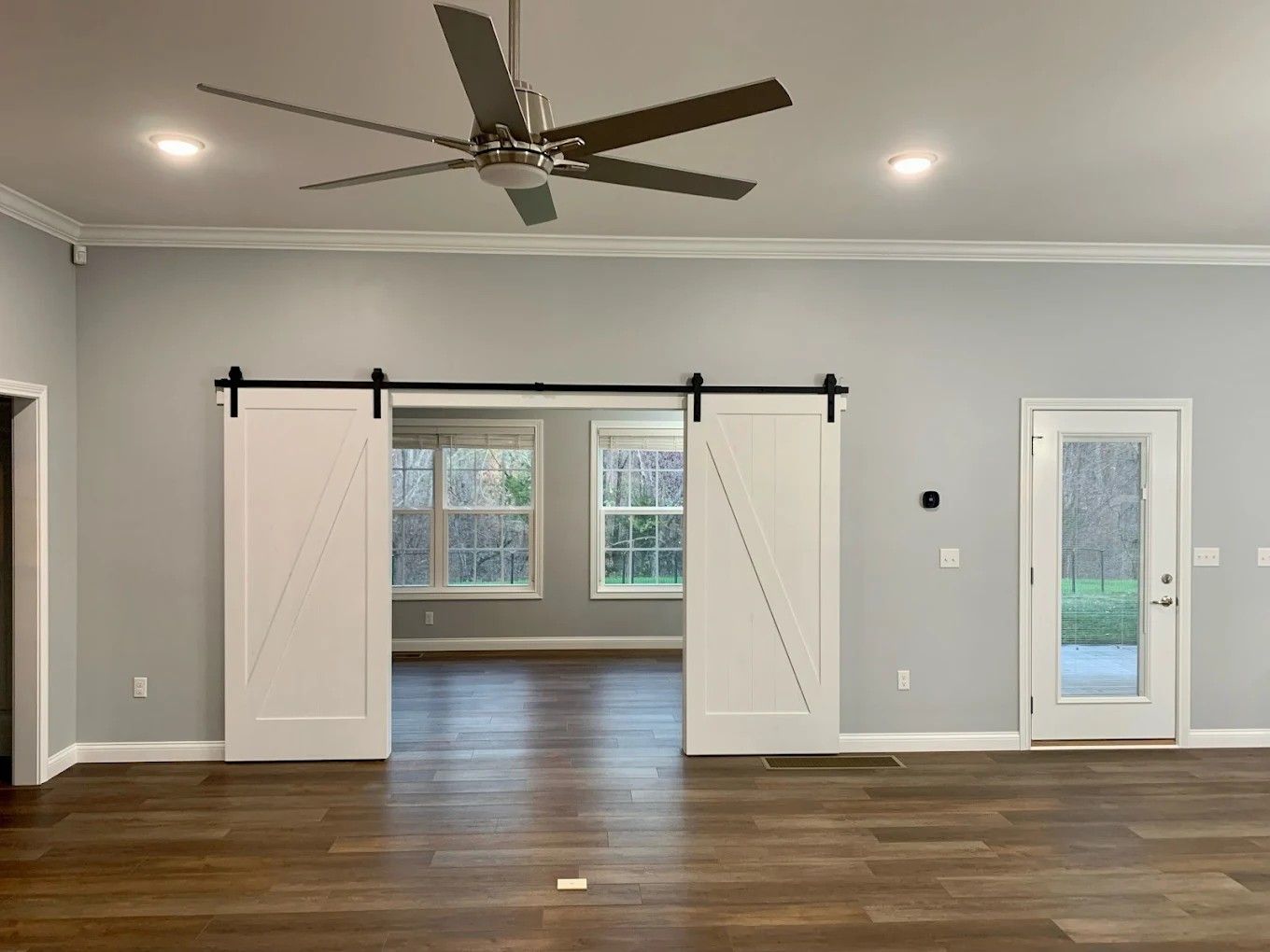
Once the home is rebuilt, you will see level floors that do not creak, walls that meet ceilings in clean lines, doors that latch without forcing, and rooms that stay the same temperature year-round. Light switches will be where you expect them, outlets will be spaced to code, and the HVAC system will cycle evenly through every room. Cabinets will hang plumb, countertops will sit flat, and trim will be caulked and painted with no gaps.
Whole home remodels also require coordination with inspectors, lining up subcontractors for mechanical and finish work, and staging material deliveries so framers are not waiting on drywall or painters are not waiting on trim. If your home includes older wiring, cast iron plumbing, or asbestos-wrapped ducts, those are identified early and handled according to local regulations before walls are closed.
Homeowners typically ask how long they need to stay elsewhere, whether the existing foundation can support layout changes, and what happens if unexpected damage is uncovered during demolition.
Concerns That Come Up During Planning
Todd Homes has managed large-scale renovations across Central Kentucky and understands how to work with older home construction, unpredictable layouts, and homeowners who want to stay in their neighborhood. If your home needs more than surface updates and you want a single team to manage the entire project, reach out to discuss what a full renovation would involve and get a timeline based on your home's condition.